
5 Common Ways Trauma Shows Up in Your Daily Life
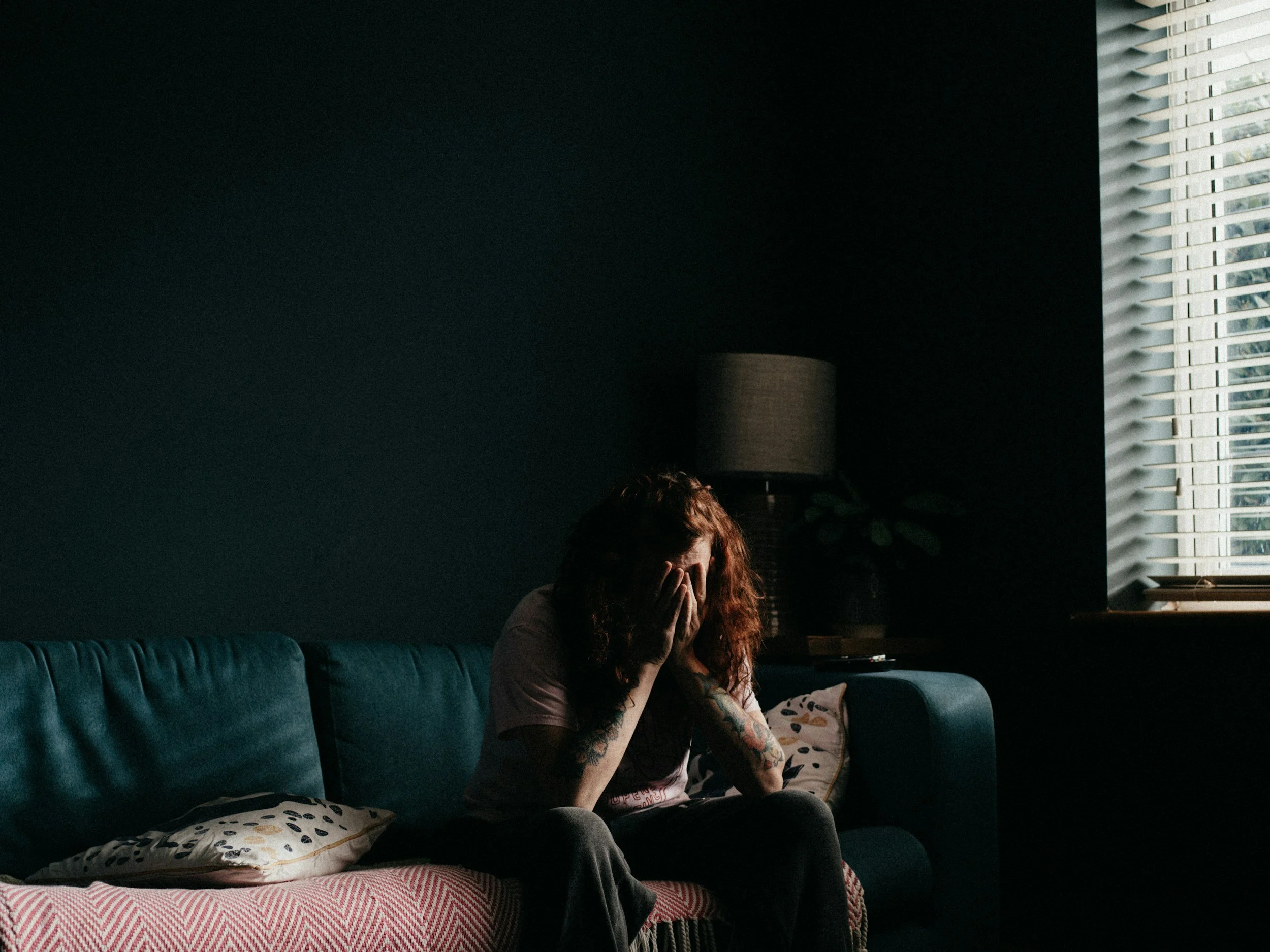
You might not think of yourself as someone with trauma, but certain patterns in your life may tell a different story. Many people who could benefit from trauma therapy don’t always realize that some of their daily challenges may be related to trauma or even PTSD.
If you’ve been through something overwhelming, distressing, or destabilizing, its effects can show up in subtle but powerful ways. Trauma doesn’t just live in the past. It can shape how you think, feel, and respond in your everyday life.
Trauma survivors often struggle in similar ways because traumatic experiences can disrupt five core human needs. You may not always connect your current patterns to past experiences, but trauma counseling can help you understand and reduce responses rooted in trauma.
A helpful first step is recognizing where trauma may be showing up for you. Trauma doesn’t affect everyone the same way, but there are common patterns that many people experience.
Broken But Not Lost: How Trauma Affects Safety, Trust, and Self-Worth
Trauma can disrupt your sense of safety, identity, and connection to others. Because of this, many people notice challenges in the following areas:
Safety
Trust
Power and control
Esteem
Intimacy
These areas are deeply connected. For example, if it’s hard to trust others, it may also feel unsafe to be vulnerable. You may recognize yourself in one, or many, of the patterns below.
Safety
You may find yourself thinking:
“I am unsafe.” “The world is unsafe.” “If I feel fear, something must be wrong.”
After trauma, your sense of safety can feel shaken, even in situations that are objectively secure. You might feel constantly on edge, scan for danger, or go to great lengths to avoid discomfort.
This can show up as people-pleasing, social withdrawal, or hypervigilance to threats to safety. For example, if you’ve experienced financial or poverty-related trauma, you might frequently check your bank account or feel frequent anxiety about money being taken from you.
In some cases, beliefs that you are unsafe may also look like the opposite behavior: impulsivity or risk-taking.
Trust
You may find yourself thinking:
“I can’t trust anyone.” “I can only rely on myself.” “People will hurt or use me.”
Trauma, especially relational trauma, can deeply impact your ability to trust others or even trust yourself.
You might become overly cautious, avoid close relationships, or feel the need to stay in control of decisions. It may be difficult to ask for help or rely on others.
On the other hand, some people find their trust boundaries become too open—making it harder to recognize red flags or protect themselves in relationships.
Power and Control
You may find yourself thinking:
“I have to stay in control.” or “I don’t have control over what happens to me.”
During a traumatic experience, it’s common to feel helpless or unable to change what’s happening. That experience can shape how you relate to control moving forward.
You might cope by becoming highly independent, perfectionistic, or easily frustrated when things feel uncertain. Or you may feel stuck, avoid making decisions, or struggle to assert yourself.
Both patterns are rooted in trying to manage the impact of feeling powerless.
Esteem
You may find yourself thinking:
“I am not good enough.” “I am damaged.” “There is something wrong with me.”
Trauma can deeply affect how you see yourself. If you were blamed, rejected, unsupported, or harmed by others, you may have learned to carry shame or self-blame.
You might feel “broken,” unworthy, or responsible for what happened.
Trauma can also shape how you see others. You may develop beliefs like “people can’t be trusted” or “everyone will hurt me,” which can make connection feel difficult and increase feelings of loneliness.
Intimacy
When you think about intimacy, you might think about relationships—but it also includes your relationship with yourself.
Trauma can disrupt both.
You may:
Struggle to open up or be emotionally vulnerable
Withdraw or shut down when things feel overwhelming
Feel your emotions are too intense or not accessible at all
Prioritize others’ needs while ignoring your own
You might also fear: “If I let someone get close, I’ll get hurt.”
These patterns can make it difficult to feel connected, understood, or supported.
Healing in the Broken Places: How Trauma Therapy Can Help You Recover
Trauma-focused therapies are designed to help you work through the beliefs, behaviors, and emotional patterns that keep you feeling stuck.
Through trauma therapy or PTSD treatment, you can begin to rebuild your sense of safety, trust, self-worth, and connection—both with yourself and with others.
Healing doesn’t mean erasing what happened. It means that what happened no longer controls how you live your life.